
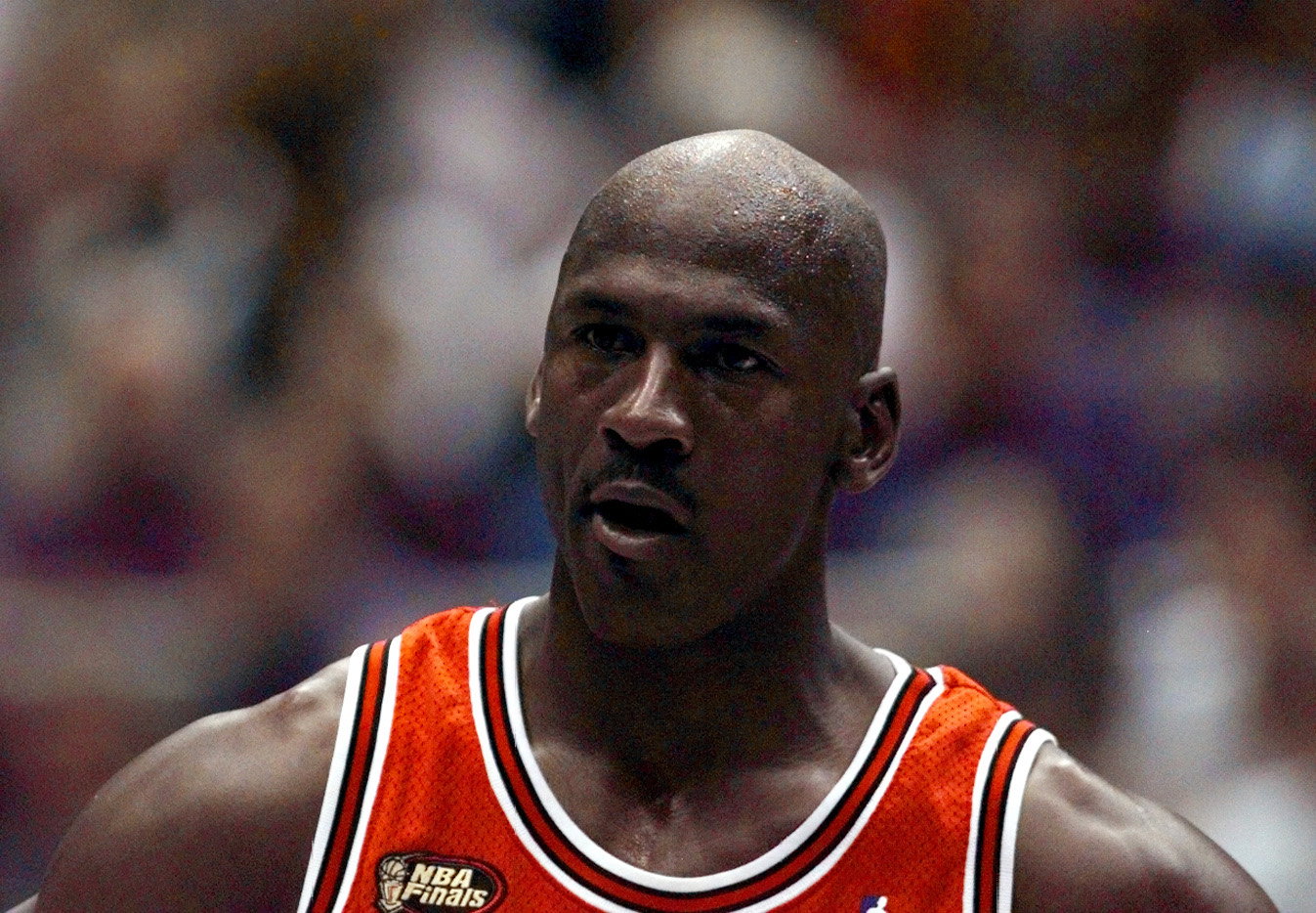
June 5, 1998; Salt Lake City, UT, USA; Chicago Bulls guard Michael Jordan in game two of the 1998 NBA Finals against the Utah Jazz at the Delta Center. Mandatory Credit: Anne Ryan-USA TODAY
June 5, 1998; Salt Lake City, UT, USA; Chicago Bulls guard Michael Jordan in game two of the 1998 NBA Finals against the Utah Jazz at the Delta Center. Mandatory Credit: Anne Ryan-USA TODAY
When Michael Jordan entered professional basketball, the expectations were already high. People knew he was talented, but inside the locker room, the story was a bit different.
Former Chicago Bulls head coach Kevin Loughery looked back at those early days. He led the team during the 1984-85 season. This was right after Chicago drafted Jordan with the No. 3 overall pick in the 1984 NBA Draft.
“To say maybe you have the best player of all time after only having him for one year, I couldn’t say that,” the coach said on Glenn Clark Radio in 2020. “But I knew we had a star who would be an All-Star in the NBA. The only thing we were skeptical about — and we weren’t that skeptical about it — was if Michael was able to handle the basketball and take it anywhere on the floor,” he added.
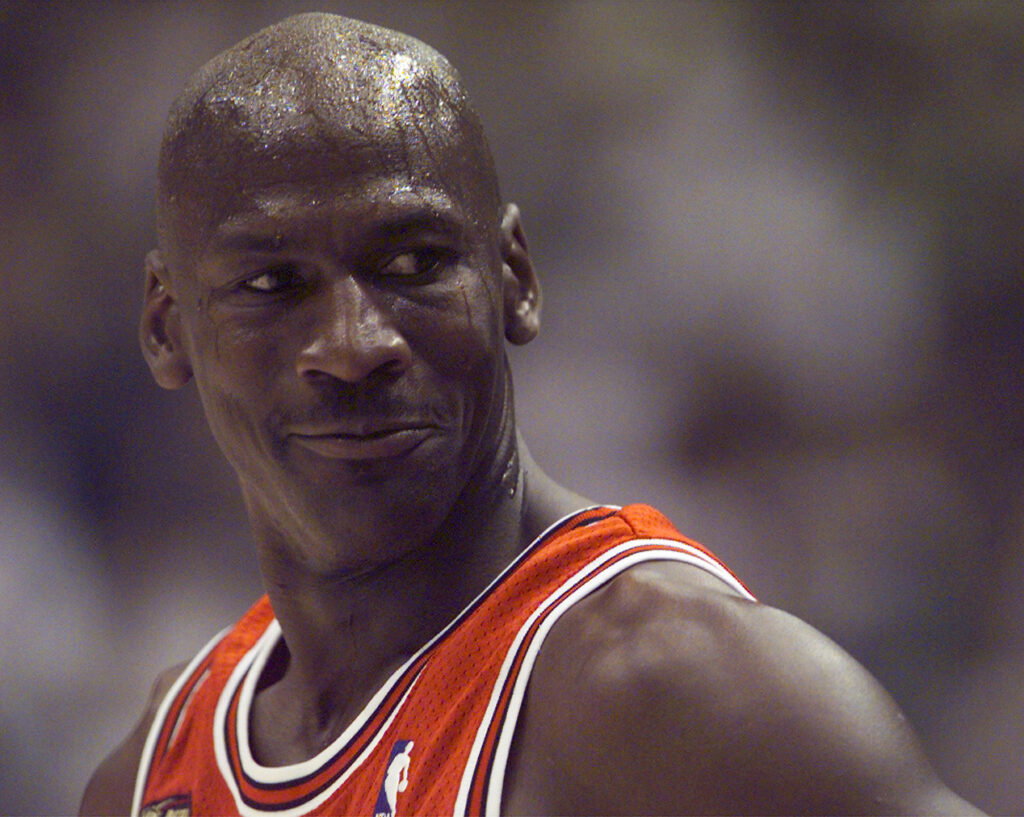
June 5, 1998; Salt Lake City, UT, USA; Chicago Bulls guard Michael Jordan in game two of the 1998 NBA Finals against the Utah Jazz at the Delta Center. Mandatory Credit: Robert Hanashiro-USA TODAY
June 5, 1998; Salt Lake City, UT, USA; Chicago Bulls guard Michael Jordan in game two of the 1998 NBA Finals against the Utah Jazz at the Delta Center. Mandatory Credit: Robert Hanashiro-USA TODAY
But that initial worry about his dribbling skills lingered for just a brief moment. “The only thing we were skeptical about — and we weren’t that skeptical about it — was if Michael was able to handle the basketball and take it anywhere on the floor,” he added.
“The third day, when we had our one-on-one drills, we found out he could do that extremely well. And that’s when we knew we had a star.”
Loughery had already coached basketball legends like Julius Erving. This background made him cautious about early draft hype. He had seen many young stars often fail to keep up the same hype.
The exact concern for the staff was whether Jordan could handle the ball against professional defenders.
The coach admitted to the hype concerns as well, “We’ve all seen a lot of hypes that hyped out.” Jordan was already drawing heavy comparisons to Erving before playing a single official game. Loughery noted that Jordan did spectacular things, but Erving had proven himself for 13 years.
MJ dominated the early one-on-one drills and became a team leader. He reassured the coaching staff through his dominance on the court.
This led to a rookie year where he averaged 28.2 points, 6.5 rebounds, and 5.9 assists to win Rookie of the Year.
What started as a minor question mark about ball-handling turned into something much bigger.
How Early Doubts Built a Dynasty
Jordan's development grew past Loughery’s early projections. By the 1986-87 season, he bagged his first scoring title with 37.1 points per game. The very next year, he won the league MVP and Defensive Player of the Year awards.
Before Jordan arrived, the Bulls were a struggling team. With him leading the way, they won 6 championships. Loughery only coached Jordan for one season, but he experienced the very initial phase of this shift.
Loughery held deep admiration for Jordan's intense mindset. In his 2020 interview, he praised Jordan for becoming the leader from day one.
He demanded maximum effort from his teammates even in practice. As Loughery noted, Jordan had to win and could not come in second in anything.
What do you think is the hardest skill for a rookie to learn in professional basketball? Share your thoughts!
Read more at Air Jordan Chronicles!
Written by
Utsav Sinha
Edited by

Souvik Roy