
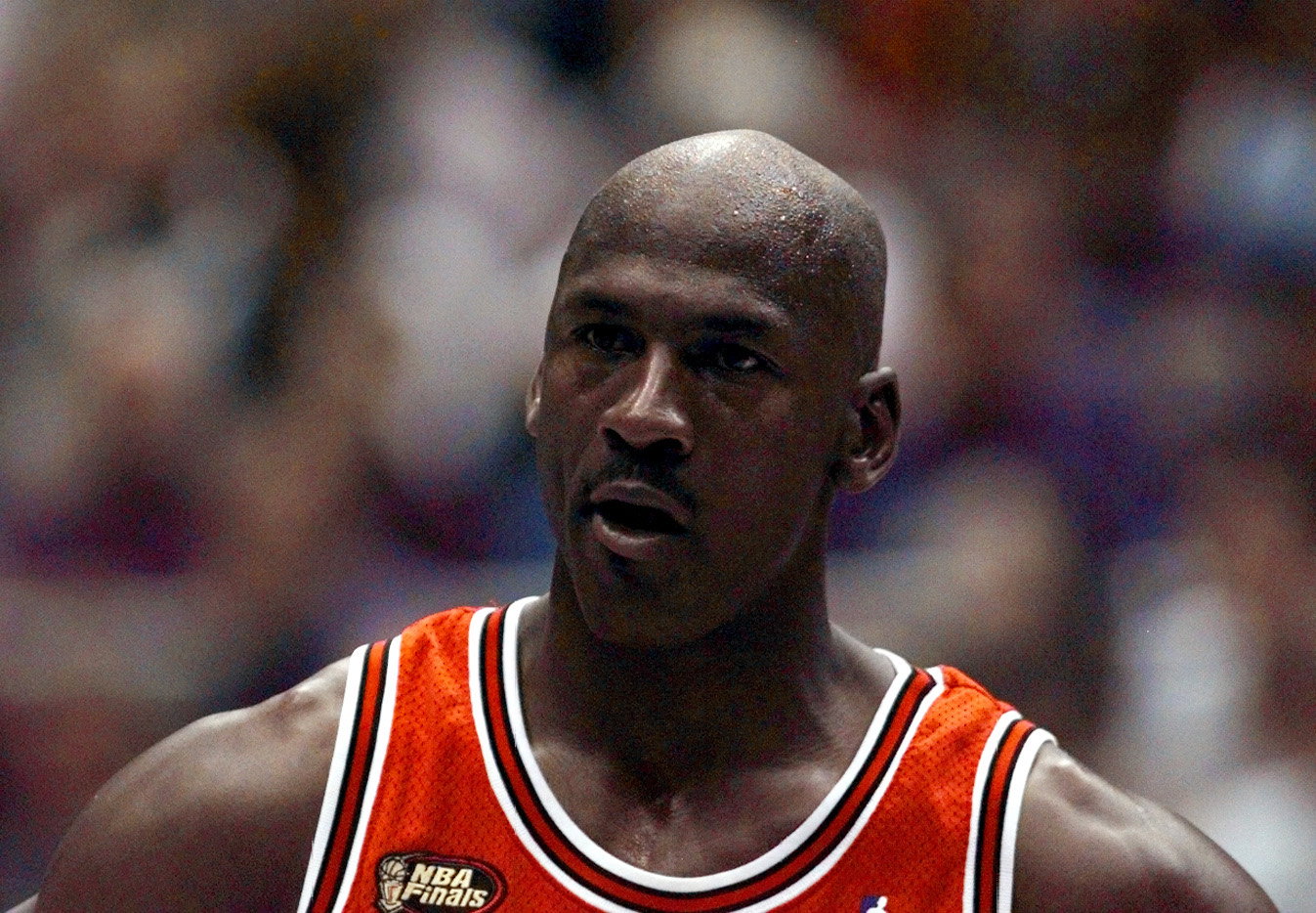
June 5, 1998; Salt Lake City, UT, USA; Chicago Bulls guard Michael Jordan in game two of the 1998 NBA Finals against the Utah Jazz at the Delta Center. Mandatory Credit: Anne Ryan-USA TODAY
June 5, 1998; Salt Lake City, UT, USA; Chicago Bulls guard Michael Jordan in game two of the 1998 NBA Finals against the Utah Jazz at the Delta Center. Mandatory Credit: Anne Ryan-USA TODAY
The core of Michael Jordan’s relationship with the Chicago Bulls organization was a fundamental disagreement. The star athlete saw himself as an independent individual; team executives saw him as a valuable asset to be managed.
During his recovery from a broken foot in his second season, Jordan's frustration with the organization's control turned into a public critique of the team.
"I was a piece of meat to him," Michael said via his book, "Michael Jordan Speaks: Lessons from the World's Greatest Champion."
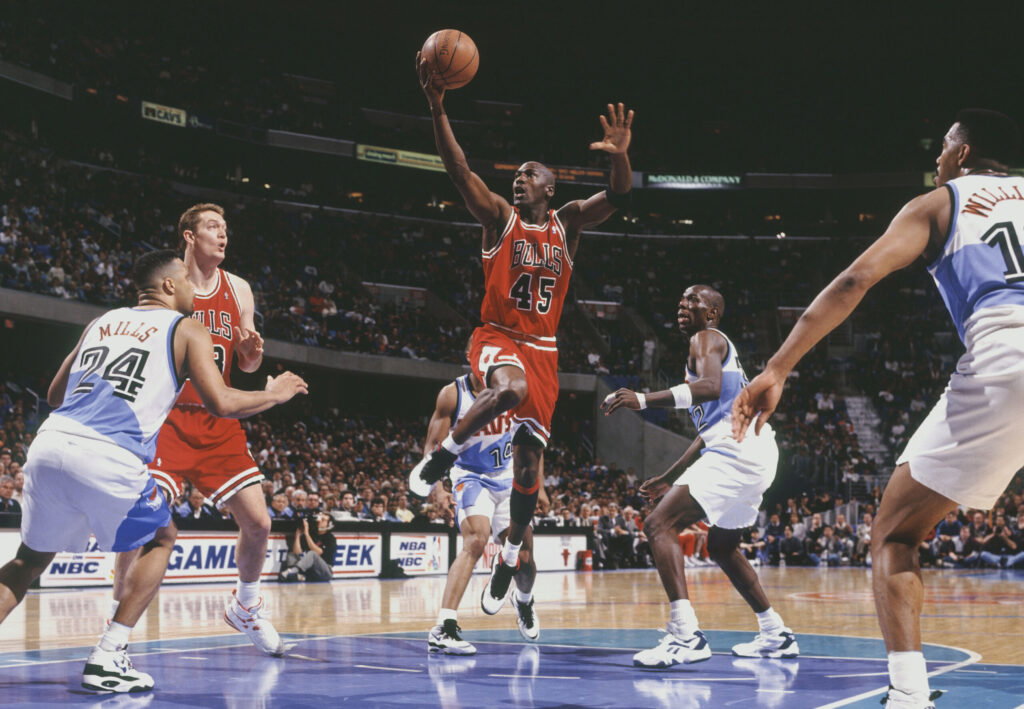
Unknown Date; Cleveland, OH, USA; FILE PHOTO; Chicago Bulls guard (45) Michael Jordan wears jersey#45 shortly after his return from a brief retirement following playing baseball against the Cleveland Cavaliers at Gund Arena. Mandatory Credit: Photo By USA TODAY Sports (c) Copyright USA TODAY Sports
Unknown Date; Cleveland, OH, USA; FILE PHOTO; Chicago Bulls guard (45) Michael Jordan wears jersey#45 shortly after his return from a brief retirement following playing baseball against the Cleveland Cavaliers at Gund Arena. Mandatory Credit: Photo By USA TODAY Sports (c) Copyright USA TODAY Sports
Jordan's resentment was rooted in tangible reality. He was sidelined for 64 games by injury, and when he returned to the game, it was limited to 25 minutes per game for a player of his caliber.
He added, "He felt he could control me because I had so much value to him, but he didn't realize that I had value to myself. I was independent, and I understood what I was. They were businessmen, not sportsmen, and they didn't have a true appreciation for the game."
Their front office placed the restrictions on the Bulls under the leadership of GM Jerry Krause, who felt they were safeguarding their investment. But Jordan didn't see it as treating him like a piece of merchandise; he saw him as a player who could compete, who had some worth beyond the numbers.
Jordan’s stance extended beyond a personal grievance. He honestly thought athletes should get genuine regard as actual people with actual options, not as organization property they could steer and press around.
But it turned into a philosophical feud against Jerry Krause’s philosophy of management.
Michael Jordan and Jerry Krause's Conflict That Built Six Titles
In spite of their fundamental differences, Jordan believed in the concept of coexistence with Krause without sacrificing his idea of autonomy.
It was their constant warning, the banter that never went away, because of their intense competition in the workplace since the time of his injury. Krause himself admitted how the relationship had fallen apart.
"The thing that got Michael and me off on the wrong foot was that he thought I said to him, 'You're our property, and you'll do what we want you to do,'" Krause once reflected. "I don't remember ever saying it that way."
Jordan’s statistics proved his worth beyond organizational control.
His 758–351 overall record, plus six championships spread over two three-peats, and that historic 72–10 season, all made it pretty obvious his individual brilliance was doing the heavy lifting.
Then there’s his 119–60 playoff record with six Finals MVPs, which basically showed that those championships were earned through competitive excellence and drive, not some front office management.
What do you think about Jordan and Krause's conflict? Comment down below.
Read more at Air Jordan Chronicles!
Written by

Utsav Gupta
Edited by
Utsav Gupta